STUDY RESOURCES
Plan a tattoo study week around practice and feedback
Build a manageable tattoo study schedule with time for assigned exercises, clear photographs, tutor questions and review of earlier work.
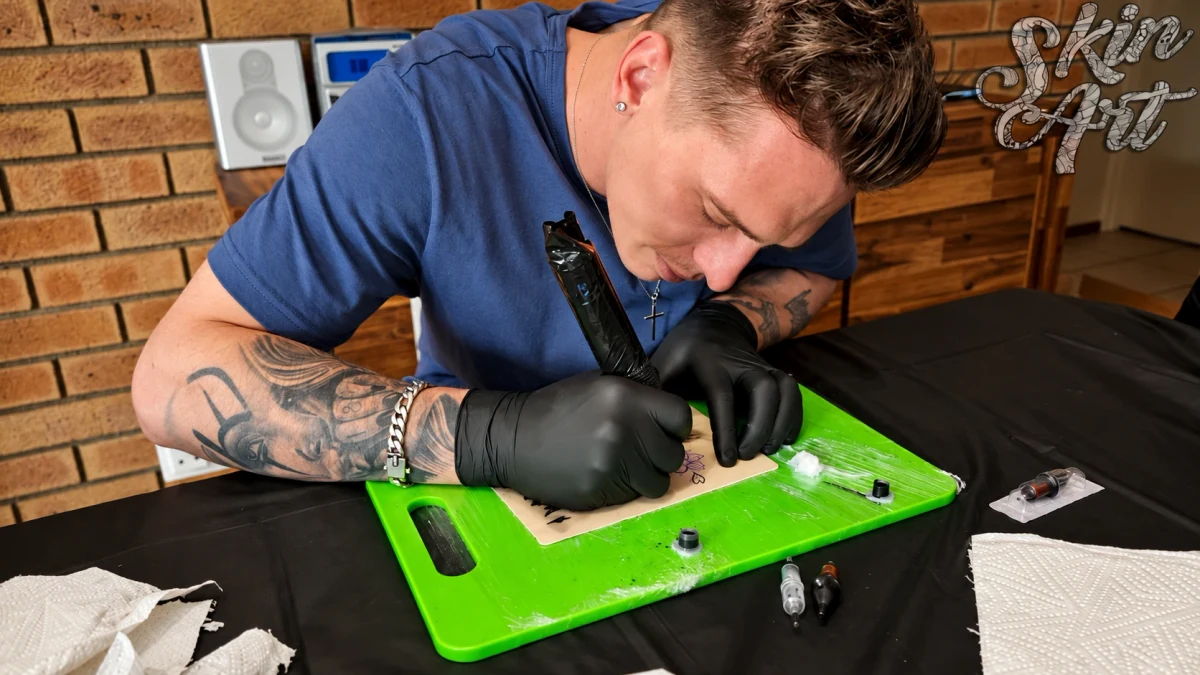
A study plan should make it easier to do the work, not turn learning into a race through videos. Start with the time you can reliably protect and the assignments your course actually requires. Include time to organise work and ask questions, as well as time to watch a lesson.
Check what comes next in your course
Before scheduling a week, identify the lesson, assigned exercise and any work you must submit. Note whether you need equipment, a trainer response or a confirmed practical session before continuing. Follow the course sequence rather than using a general planner to skip a required task.
If you are arranging in-person training, confirm the date, venue, preparation and equipment directly with the team. Treat travel and practical arrangements separately from a home-study timetable.
Choose sessions you can repeat
Begin with a realistic number of sessions. A regular shorter session may be easier to maintain than an ambitious block you frequently miss. Leave room for setup, saving your work and writing one question. The right duration depends on the exercise and your circumstances; this guide does not set a required number of study hours.
Use a definite start point, such as an evening after your usual commitments. If a session does not happen, move the unfinished task forward rather than trying to compress several unfamiliar exercises into the next one.
A flexible four-session example
- Understand the task: Review the next lesson and write down the assigned exercise, needed materials and anything unclear.
- Do the assigned work: Follow the course instructions. Keep one specific learning aim and stop to clarify instructions you do not understand.
- Record and ask: Photograph the work, complete a short practice log and submit the question through the support route your course provides.
- Review or repeat: Apply the tutor's advice when available. If you are waiting for an answer needed to continue, organise earlier work or revisit a completed lesson instead of guessing.
These are four roles in a learning cycle, not four compulsory days or a promise that one week completes a skill. Combine or separate sessions to suit the actual assignment.
Plan for feedback to arrive later
Keep a short list of open questions and mark which ones prevent you from continuing. Ask your tutor what you can review while you wait. Avoid changing several things to fill the time: it can make the next comparison harder to interpret.
When a response arrives, record the actual advice before adjusting your plan. The guide to using tutor feedback explains how to turn a broad comment into a manageable next action.
Keep the record easy to review
Save photographs where you can find them, with the lesson and attempt identified. Use the same basic framing for comparable exercises and keep originals. The photography guide and portfolio guide help you maintain a record without creating a separate presentation every week.
Adjust the following week using evidence
Review what you completed, what remained unclear and whether the planned sessions were realistic. Carry forward a specific unfinished task. If a repeated difficulty needs trainer input, ask about it instead of simply adding more hours.
Progress is more useful than a fixed finish-date promise. Keep the course's assessment and practical requirements in view, and use your own work and tutor feedback to decide the next learning step.
Explore the current training options
Choose your region to review local course details, prices and enrolment terms on Skinart Training.