Your practice record
Organise a learning portfolio that shows progress
Build an honest record of your development rather than a collection of disconnected highlights.
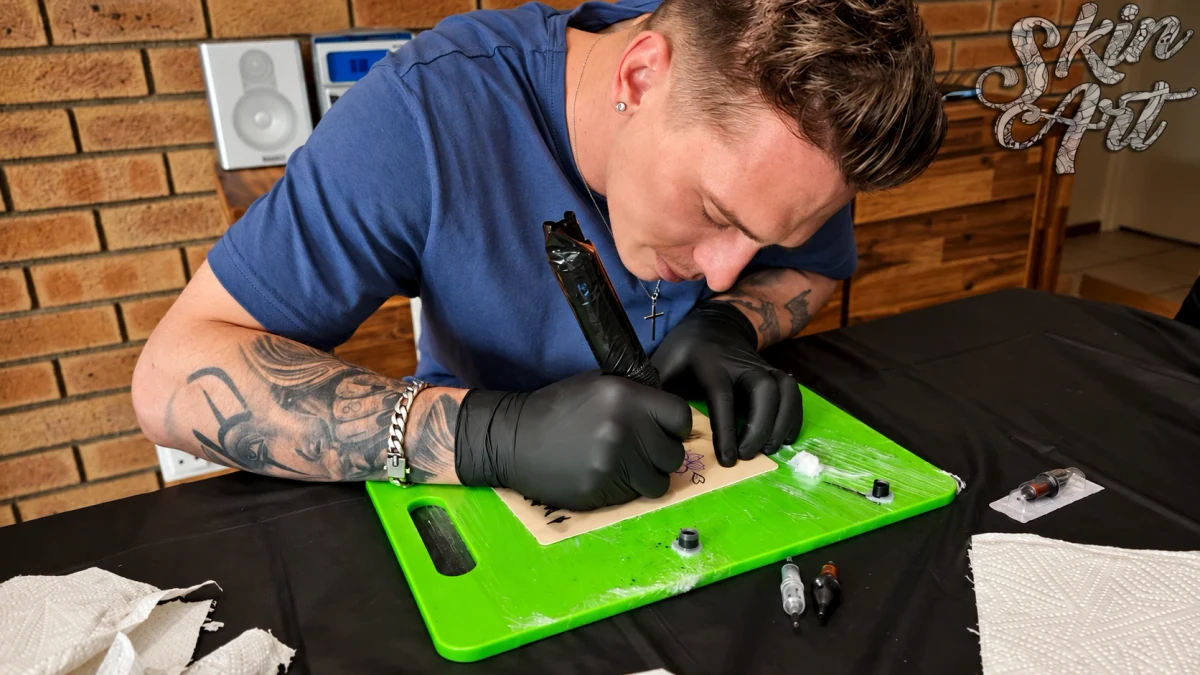
Separate learning from promotion
A learning portfolio can include incomplete exercises and unsuccessful attempts. Its purpose is to show what you practised, what feedback you received and how your work changed. A public showcase has a different purpose and should never imply experience or results you do not have.
Use a repeatable structure
Group work by exercise or skill. Add the date, a short aim and an unfiltered photograph. Place the repeat beside the original and add a sentence explaining the adjustment. Keep the structure simple enough to maintain every week.
Keep your own work identifiable
Label references separately from your original work. Record where reference material came from and do not present another artist’s work as yours. Keep private course materials within the permissions supplied by your training provider.
Review before choosing the next goal
Look for a pattern across several attempts. Identify a specific question for your tutor and choose a manageable next exercise. Your record is evidence of learning, not a promise of professional readiness.
A practice-record format you can reuse
Keep one entry per attempt. A notebook, document or simple folder is enough; use the format your course requires for assessed submissions.
- Exercise and date: identify the task and when you completed it.
- Aim: name one feature you wanted to improve.
- Evidence: attach the complete attempt and any relevant detail photographs.
- Feedback: record the tutor response separately from your own observations.
- Next action: write the task you will repeat or the question you still need answered.
Compare attempts without losing the originals
For example, keep a first drawing study and its repeat together, with a note such as: "I marked the spacing before drawing the second version. The gaps are more even, but the last curve still needs review." Retain both files rather than replacing the first with your best result. When sharing a selection with your tutor, include the earlier feedback so they can judge the same feature across attempts.
Tools for your next session
Use the practice log to connect an exercise with its feedback, and the weekly study planner to make time for the work and review.
Use the fine-line practice review checklist to keep design work, assigned practice and feedback clearly identified within your portfolio.
Explore the current training options
Choose your region to review local course details, prices and enrolment terms on Skinart Training.